
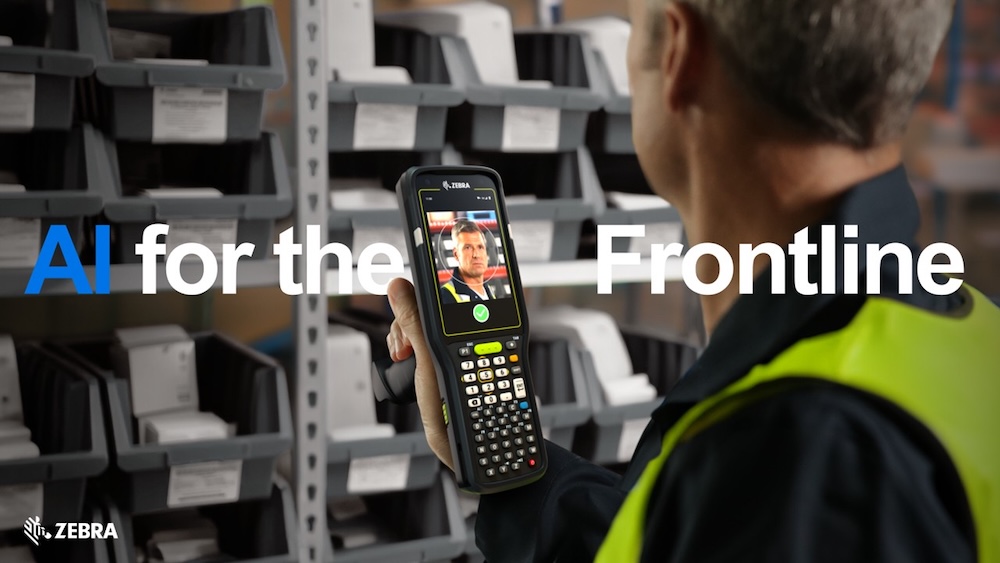
When we talk about Artificial Intelligence (AI), we usually picture data scientists in the back office or automated servers in the cloud. But the next massive wave of transformation is happening somewhere completely different: on the frontline.
Frontline AI is the deployment of intelligence directly onto the devices used by hands-on workers—like retail associates, warehouse crews, and healthcare professionals. Instead of keeping AI locked away in corporate dashboards, it embeds real-time guidance directly into daily operations.
The Three Pillars of Frontline AI
To make edge intelligence actionable, enterprise tech relies on three core components:
- Zebra Companion AI: An on-device assistant that gives workers instant, tailored insights and answers to operational questions, reducing the need to flag down a manager.
- Frontline AI Enablers: A suite of computer vision models, APIs, and sample apps that allow devices to instantly recognize objects, scan complex labels, and automate data capture.
- Frontline AI Blueprints: Adaptable, real-world frameworks designed to automate manual tasks and smooth out operational bottlenecks in high-pressure environments.
The Bottom Line
Frontline AI isn’t about replacing human workers; it is about removing the friction from their day. By taking the guesswork out of inventory, logistics, and task management, businesses can boost productivity, lower labor friction, and empower the teams that keep operations running. For more information, click here.