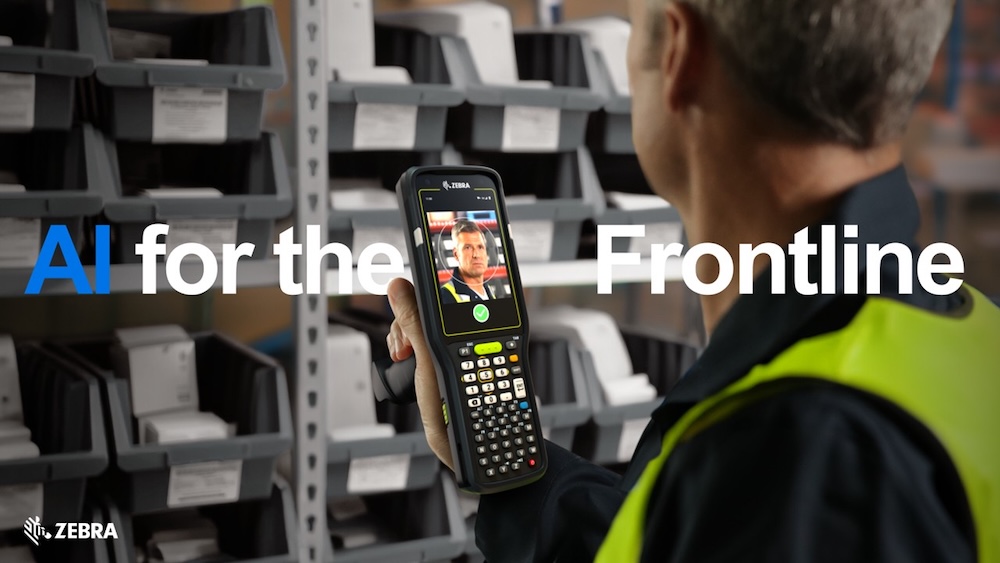

Traditional inventory management has long been notorious for consuming endless labor hours, requiring workers to painstakingly locate and scan individual barcodes across stacked pallets and crowded shelving. Radio-Frequency Identification technology completely flips this manual paradigm on its head, replacing slow line-of-sight laser scanning with instantaneous wireless tracking.
The fundamental shift comes down to how data is captured. Where optical barcodes force an operator to physically point a reader at every single label one by one, modern RFID readers use radio waves to communicate with hundreds of tagged items simultaneously. Signal penetration allows the technology to read embedded tags directly through cardboard boxes, shrink wrap, and packed containers without anyone having to open a single package or rearrange stock.
This rapid bulk-reading capability turns what used to be a multi-hour cycle count into a casual fifteen-second walkthrough. Operations teams gain immediate visibility over their stock levels, virtually eliminate human counting errors, and free up critical workforce hours for high-value operational tasks. Ultimately, fast RFID audits prove that modern supply chain efficiency isn’t about working harder—it’s about letting radio signals do the heavy lifting.